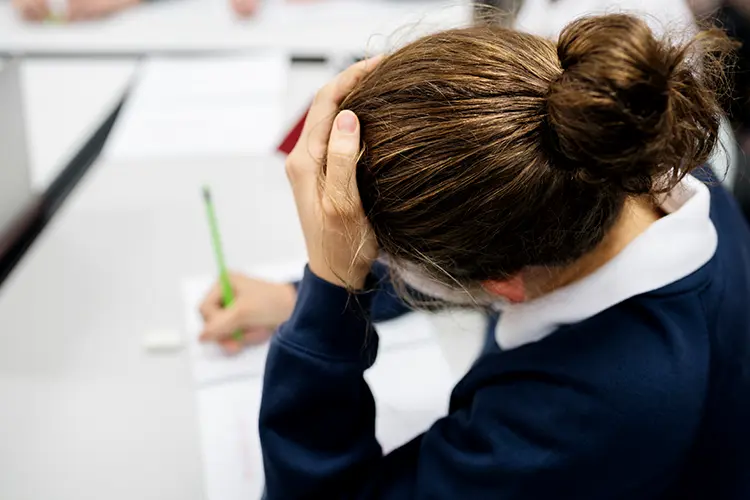
Exam season gets most of the attention, but teenage sleep and anxiety are closely linked all year round — not just during tests. Understanding why teenagers struggle with both, and how mindfulness fits in, can help beyond just the stressful weeks of the school calendar.
Why Teenage Sleep Is Genuinely Different
It's not just a matter of willpower or screen time. Puberty shifts the body's internal clock later, delaying both the onset of natural sleepiness and the natural waking time — often by an hour or two compared to childhood. This biological shift collides head-on with early school start times, which means many teenagers are chronically short on sleep during term time, regardless of how disciplined their bedtime routine is. The American Academy of Pediatrics has highlighted this circadian shift as a key, modifiable contributor to insufficient teen sleep — you can read their policy statement via the American Academy of Pediatrics.
Sleep debt builds up gradually and quietly. A teenager might not feel obviously exhausted, but persistent short sleep tends to show up as low mood, irritability, and a shorter fuse for stress — all of which can look like a standalone mood or anxiety problem when sleep is actually a major contributing factor.
How Teen Sleep and Anxiety Feed Each Other
Poor sleep and anxiety tend to reinforce one another. A short night makes the brain's stress response more reactive the next day, which makes ordinary worries feel bigger than they are. That heightened anxiety then makes it harder to switch off and fall asleep that night — and the cycle repeats.
This is part of why a single bad night rarely causes lasting problems on its own, but a pattern of poor sleep over weeks can meaningfully worsen anxiety and mood. Breaking the cycle anywhere — better sleep habits, calmer evenings, or a mindfulness practice that reduces overall stress — tends to improve the whole system.
A Mindfulness Wind-Down Routine for Teens
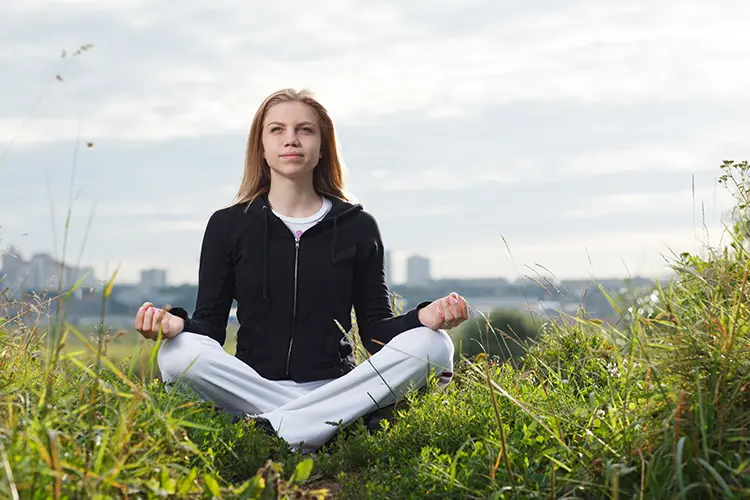
Mindfulness doesn't need to be a big production to help here. A short, consistent wind-down routine in the 20–30 minutes before bed can make a real difference:
- Dim lights and put screens away at least 20 minutes before the intended bedtime
- Spend a few minutes doing slow, deliberate breathing — in for four counts, out for six
- Mentally note three things from the day, without judging them as good or bad — just observing
- If thoughts about tomorrow intrude, jot them down on paper rather than trying to "solve" them in bed
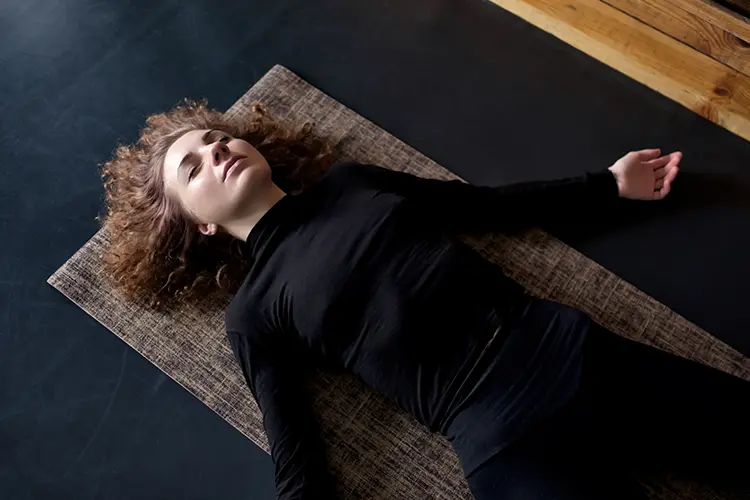
If a more structured technique would help, yoga nidra and sleep meditation are both worth comparing — they're more guided than a simple wind-down routine and suit people who like following along rather than self-directing.
"A consistent, even imperfect bedtime routine tends to do more for teenage anxiety than any single mindfulness technique on its own."
Teen Anxiety Beyond Exam Season
Unlike exam stress, which has a clear start and end date, general teenage anxiety and sleep difficulty can persist quietly for months without an obvious trigger. The same mindfulness tools that help during exams — short breathing exercises, a consistent wind-down, noticing thoughts without spiralling — apply just as well the rest of the year, and arguably matter more, since there's no looming deadline forcing the issue to be addressed.
If exam stress specifically is the more immediate concern, our dedicated guide covers quick techniques for managing exam anxiety in more detail.
Looking for exam-specific techniques instead?
Meditation for Exam StressFrequently Asked Questions
Teenagers experience a natural shift in their body clock that pushes both sleepiness and waking later, which often clashes with early school start times. This can leave many teenagers running on insufficient sleep most of the school week, which in turn worsens mood and anxiety.
Both directions are real. Lack of sleep makes the brain more reactive to stress, while anxiety makes it harder to fall and stay asleep — the two feed each other, which is why addressing one often helps the other.
Even five to ten minutes a day, done consistently, tends to produce noticeable benefits over a few weeks. Sporadic, occasional practice is far less effective than a short daily habit.
If anxiety is persistent, interferes with school, friendships, sleep, or appetite over several weeks, or is accompanied by signs of low mood, it's worth speaking to a GP or school counsellor rather than relying on mindfulness alone.
Mindfulness Matters
Plain-English guides to meditation, yoga, and energy healing — written for people who are curious but new, with no jargon and no pressure to "get it right" straight away.