Meditation Doesn't Have to Be Complicated
Meditation gets a reputation for being mysterious or difficult, but at its core it's just the practice of paying attention on purpose — to your breath, your body, or the present moment — without judging what you find. You don't need a special cushion, an app subscription, or twenty minutes of silence in a candlelit room. You just need somewhere to sit and a few minutes you're willing to give it.
The guides below are written for people who haven't meditated before, or who've tried it and felt like they were "doing it wrong." There's no wrong way to start.
Where to Start
If you're brand new to meditation, start with the basics: how to sit, what to do with your breath, and what to expect in the first few sessions. If your main goal is better sleep, you might want to compare two specific techniques first.
What Meditation Can (and Can't) Do
Meditation is well supported as a tool for reducing day-to-day stress and improving focus and emotional regulation over time. It's not a cure for anxiety or depression, and it works best alongside — not instead of — proper medical or psychological support when those are needed. Think of it as a habit you build, similar to exercise: small and consistent beats occasional and intense.
Most of the guides on this site focus on the practical side: how to actually do it, how long to try it for, and how to tell if it's working for you.
New to all of this? The beginner's guide is the best place to start.
Read the Beginner's GuideFrequently Asked Questions
Five minutes is a perfectly good place to start. Many people build up to 10–20 minutes over a few weeks, but consistency matters more than length — five minutes every day beats twenty minutes once a week.
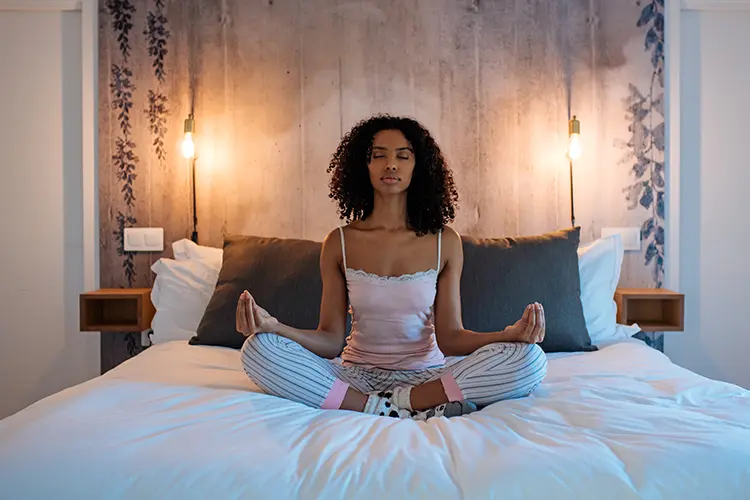
No. Apps can be a helpful prompt if you like structure, but all you actually need is a quiet-ish spot and a few minutes. A chair, cushion, or even your bed works fine.
Mindfulness is the broader skill of paying attention to the present moment, which you can practise anytime — while walking, eating, or working. Meditation is a dedicated practice session where you train that skill on purpose.
Completely normal — it happens to experienced meditators too. The practice isn't about stopping your thoughts; it's about noticing when your attention has wandered and gently bringing it back, as many times as needed.