What Reiki Actually Involves
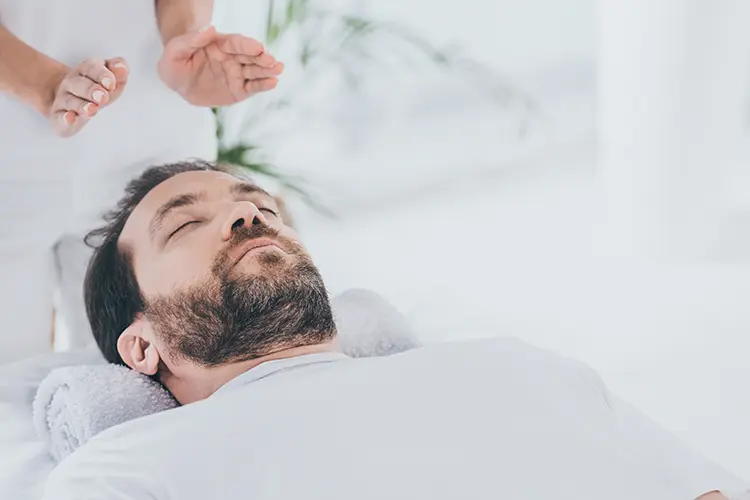
Reiki is a gentle, hands-on (or hands-near) energy healing practice that originated in Japan in the early 20th century. A typical session is calm and quiet: you lie down fully clothed while a practitioner places their hands lightly on or just above different parts of your body. Many people describe it as deeply relaxing, similar to a very gentle massage without the physical pressure.
The guides below cover what reiki is, how the concept of chakras fits in, and how to find a practitioner if you'd like to try a session yourself.
Where to Start
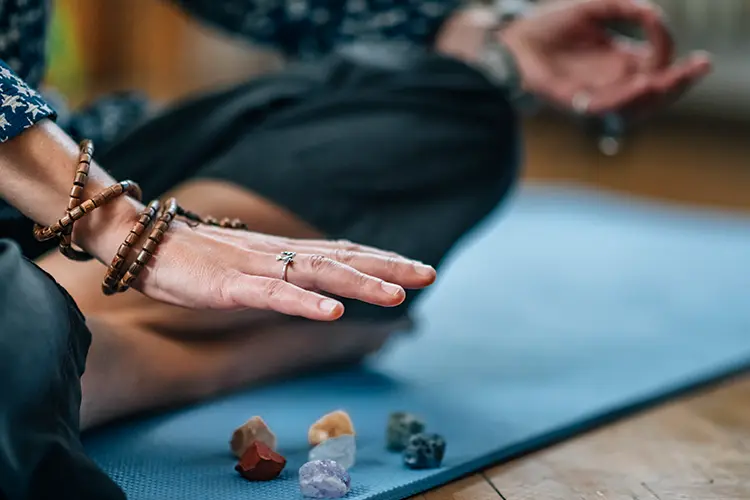
If you're new to reiki, start with the beginner's guide to understand the basics. If you've heard the word "chakras" thrown around and want it explained simply, that guide covers the concept on its own terms.
Is Reiki Right for You?
Reiki is best understood as a complementary practice — something people often use alongside, not instead of, conventional medical or mental health care. Like meditation, its main reported benefit is a sense of calm and relaxation, which in itself can be genuinely valuable for managing everyday stress.
If you're curious but unsure where to find a practitioner, our guide covers what to look for and what a typical first session involves.
New to reiki? Start with the basics.
Read the Beginner's GuideFrequently Asked Questions
No — reiki involves very light touch or hands held just above the body, with no pressure or manipulation involved. Most people describe the sensation as warm and deeply relaxing.
No, reiki sessions are done fully clothed. You'll usually lie down on a treatment table, similar to a massage table, but there's no undressing involved.
Massage works on muscles through physical pressure and manipulation. Reiki involves no physical manipulation at all — it's light touch or near-touch, focused on relaxation rather than the muscular system.
This varies by person. Some people find a single session relaxing and leave it there; others book sessions regularly as part of a broader stress-management routine. There's no fixed "course" of treatment.